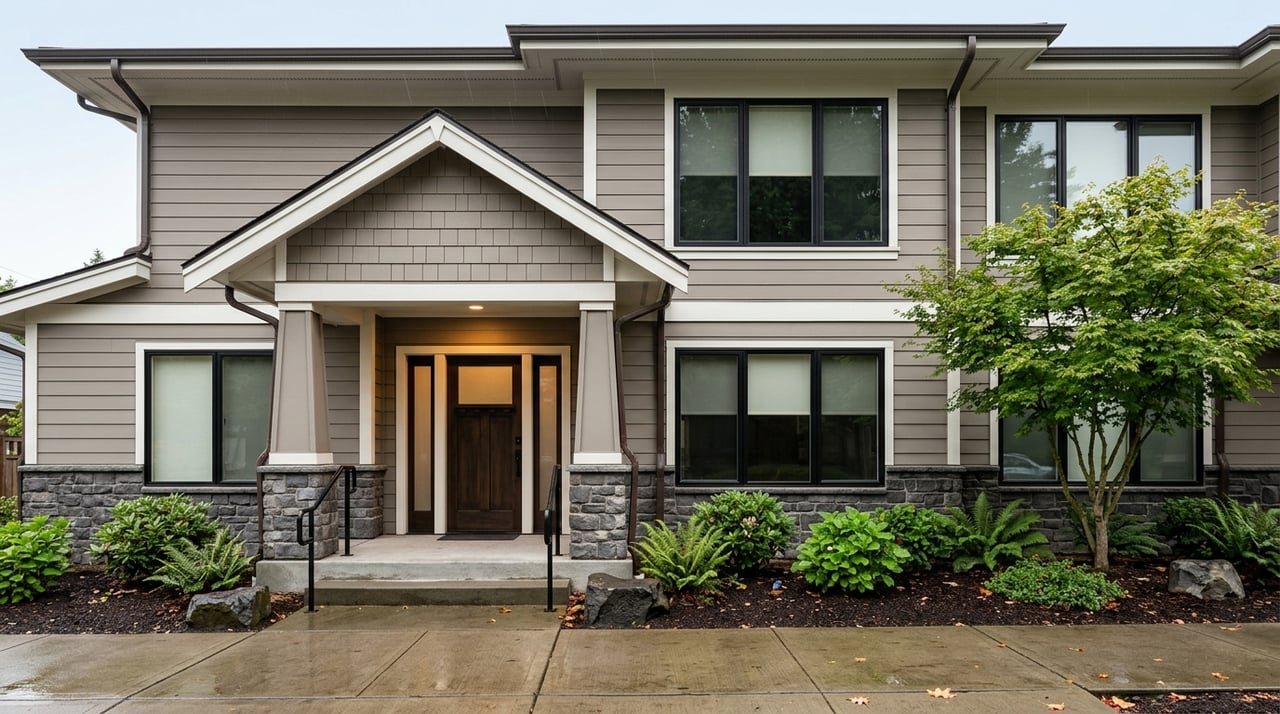
If you are torn between a North Seattle condo and a suburban townhome, you are not alone. Both options can make sense, but they serve different priorities around budget, commute, upkeep, and day-to-day lifestyle. This guide will help you compare the tradeoffs in Seattle, Lynnwood, Mountlake Terrace, and Bothell so you can choose with more clarity. Let’s dive in.
Start With Price and Budget
For many buyers, budget is the first major divider between these two paths. Current public snapshots show North Seattle condos with a median listing price around $360,000, while Seattle’s broader city guide shows a condo or co-op median sale price of $549,500 and a townhouse median sale price of $750,000.
On the suburban side, Lynnwood townhomes currently show a median listing price around $515,000. Recent city guide figures place median townhouse sale prices at about $629,124 in Lynnwood, $710,140 in Mountlake Terrace, and $842,438 in Bothell.
That creates a rough price ladder. In this snapshot, North Seattle condos sit at the lower end, Lynnwood townhomes are the most accessible suburban option, Mountlake Terrace lands in the middle, and Bothell trends highest.
What a Lower Price Can Mean
A lower purchase price can help you keep more flexibility in your monthly budget. It may also create a more approachable entry point if you want to own in Seattle sooner rather than wait for a larger suburban townhome budget.
That said, price alone does not tell the full story. You also need to weigh HOA dues, parking, insurance responsibilities, and the possibility of special assessments.
Compare Maintenance Responsibilities
One of the biggest lifestyle differences between condos and townhomes is who handles what. This matters just as much as price, especially if you want a home that feels simple to maintain.
Condo Maintenance in Washington
In Washington condominium communities, the association must maintain, repair, and replace the common elements unless the declaration says otherwise. As a unit owner, you are generally responsible for maintaining your own unit.
In practical terms, that can mean less exterior work on your plate. If you want less responsibility for building exteriors and shared spaces, a condo may feel easier to manage.
Townhome Maintenance Can Vary
A townhome can feel more like a traditional house, but the maintenance split is not always the same from one community to another. Washington HOA law allows associations to adopt budgets, collect assessments, and regulate the use, maintenance, repair, replacement, and modification of common areas.
The key detail is how the property is structured. Some townhomes are fee-simple in a planned community, while others function more like condo projects, and that can affect who pays for roofs, siding, landscaping, and other exterior items.
Why Governing Documents Matter
Before you choose either option, review the governing documents carefully. You want to know exactly what your monthly dues cover and what costs could still fall on you later.
Washington reserve law also encourages reserve accounts for major maintenance and requires reserve studies and updates for many associations with significant assets. That makes reserve planning an important part of your due diligence.
Think About Commute and Daily Routine
Your home choice shapes more than your address. It affects how you move through the week, how much time you spend in the car or on transit, and how connected you feel to the places you visit most.
North Seattle Condos and Closer-In Living
North Seattle condos often appeal to buyers who want a closer-in Seattle location and less exterior upkeep. Public neighborhood pages highlight areas such as Ballard, Greenwood, Green Lake, Laurelhurst, and Wallingford, which supports a neighborhood-focused lifestyle.
North Seattle also connects well to Seattle’s transit network. Sound Transit station listings include Northgate, Roosevelt, U District, and University of Washington, which can make condo living attractive if you value access to Link light rail.
Lynnwood and Mountlake Terrace Townhomes
If you want a suburban setting but still care about rail access, Lynnwood and Mountlake Terrace stand out in this comparison. Sound Transit extended the 1 Line to Lynnwood on August 30, 2024, adding Mountlake Terrace Station and Lynnwood City Center Station.
Community Transit also provides direct bus service to both stations and notes service between Lynnwood City Center Station and the International District/Chinatown station in downtown Seattle. That gives these two areas a strong transit story for suburban buyers.
Lynnwood sits about 16 miles north of Seattle, and its city guide describes townhouse ownership as a midrange option between condos and single-family homes. Mountlake Terrace’s city guide notes parks, trails, and proximity to Seattle, which may appeal if you want suburban space with access back into the city.
Bothell Townhomes and Road Access
Bothell offers a different kind of suburban appeal. Its city guide highlights the Sammamish River Trail and a small-town feel, while the city notes service from Community Transit, King County Metro, and Sound Transit buses.
At the same time, WSDOT points to congestion issues along the north end of the I-405/SR 522 corridor. For many buyers, that makes Bothell more freeway- and bus-dependent than Lynnwood or Mountlake Terrace, even though it still has multiple transit options.
Match the Home Type to Your Lifestyle
Once you understand the numbers and maintenance structure, the next step is personal fit. The best choice usually comes down to what you want your week to look like.
A North Seattle Condo May Fit You If
- You want the lowest entry point in this comparison
- You prefer a closer-in Seattle address
- You want less yard and exterior upkeep
- You plan to use light rail or city transit often
- You are comfortable reviewing condo documents closely
A Suburban Townhome May Fit You If
- You want a more house-like layout
- You are open to living farther north for more space
- You want suburban access with a more residential feel
- You are comparing Lynnwood, Mountlake Terrace, and Bothell based on commute style
- You are willing to study the HOA structure to see what exterior maintenance is shared
Look Closely at HOA and Condo Documents
Whether you buy a condo or a townhome, monthly dues deserve a careful review. Fannie Mae advises buyers and lenders to review the project’s condition, financial stability, insurance, any structural debts or safety issues, pending litigation, special assessments, and whether the project is warrantable.
It also notes that some condo projects can become ineligible because of critical repairs, inadequate insurance, pending litigation, or hotel-style or short-term-rental characteristics. That is why document review is not just paperwork. It can affect both your risk and your financing options.
Questions to Ask Before You Commit
Use these questions as a starting point during your review:
- What does the monthly HOA fee cover?
- Is parking included or assigned?
- Are there reserve funds and a recent reserve study?
- Is there any planned or past special assessment?
- Are there rules for rentals, pets, short-term rentals, exterior changes, or common-area use?
- Is the project eligible for the financing you plan to use?
Documents Worth Requesting
A solid due diligence package should include:
- HOA budget
- Reserve study
- Insurance summary
- Bylaws or CC&Rs
- Meeting minutes
- Special assessment history
- Parking assignment rules
- Rental restrictions
Financing Can Be Different Than You Expect
Many buyers assume financing will work the same way for every attached home. In reality, project eligibility can become a major factor, especially with condos.
Fannie Mae states that lenders are responsible for project review, and loans on ineligible condo projects may not be deliverable until issues are resolved. That means you should confirm financing eligibility, insurance details, and maintenance responsibilities with your lender and agent before removing contingencies.
So, Which One Fits You Best?
If your top goals are a lower entry price, a closer-in Seattle location, and easier access to light rail, a North Seattle condo may be the better fit. If your priorities lean toward a more house-like feel, suburban living, and a different commute pattern, a townhome in Lynnwood, Mountlake Terrace, or Bothell may suit you better.
There is no universal winner here. The right answer depends on how you balance price, upkeep, transit access, and the type of monthly ownership costs you are comfortable taking on.
If you want help comparing specific communities, HOA documents, or commute tradeoffs in North Seattle and the North Sound suburbs, Team NSRG can help you sort through the details and move forward with confidence.
FAQs
What is the price difference between North Seattle condos and suburban townhomes?
- Current public snapshots show North Seattle condos around $360,000 at the median listing price, while Lynnwood townhomes are around $515,000, with Mountlake Terrace and Bothell generally trending higher.
What maintenance does a North Seattle condo owner handle in Washington?
- In Washington condo communities, the association generally maintains common elements, while you are typically responsible for maintaining your own unit unless the declaration says otherwise.
What should you review before buying a Seattle-area townhome or condo?
- You should review the HOA budget, reserve study, insurance summary, bylaws or CC&Rs, meeting minutes, special assessment history, parking rules, rental restrictions, and financing eligibility.
Which suburban townhome areas near Seattle have light rail access?
- In this comparison, Lynnwood and Mountlake Terrace are the most rail-aligned suburban options because the 1 Line now serves Mountlake Terrace Station and Lynnwood City Center Station.
Is Bothell a good fit if you want transit options?
- Bothell has bus service from Community Transit, King County Metro, and Sound Transit, but many buyers may find it more freeway- and bus-dependent than Lynnwood or Mountlake Terrace.
Why do condo documents matter so much in Seattle-area purchases?
- Condo documents can reveal reserve strength, insurance coverage, special assessments, rules, and project eligibility issues that may affect your costs, risk, and financing options.