Wondering whether Lynnwood’s light rail has changed what makes a home “worth it”? You are not alone. For many buyers, the Lynnwood Link opening has added a new layer to the decision-making process, especially if commute time, flexibility, and long-term area growth matter to you. This guide breaks down how light rail is influencing home searches in Lynnwood, what the local numbers suggest, and how to think through your options with more confidence. Let’s dive in.
Lynnwood Is Now a Rail-Connected Market
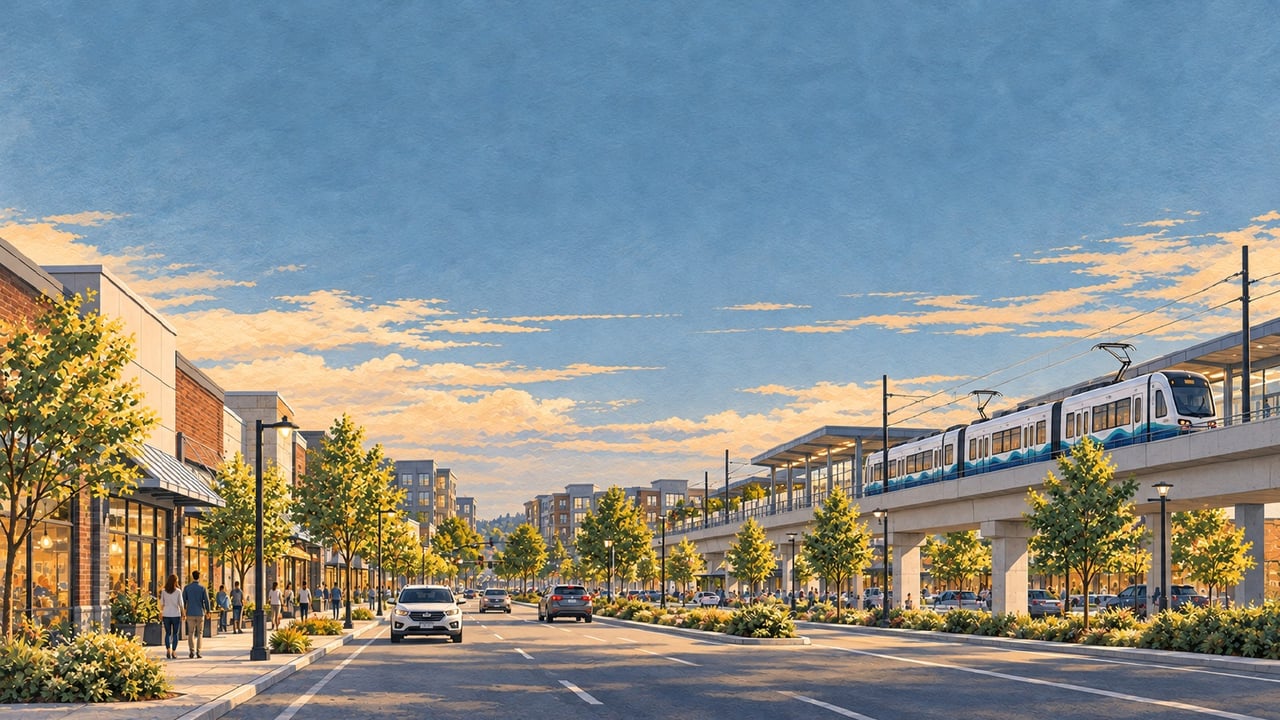
Lynnwood Link opened on August 30, 2024, making Lynnwood City Center the northern terminus of the 1 Line. That shift matters because Lynnwood is no longer only part of a freeway commute pattern. It now has a direct rail connection into Seattle’s Link system.
Sound Transit says 1 Line trains currently run every 10 to 15 minutes between Lynnwood City Center and Capitol Hill. It also publishes benchmark ride times of about 20 minutes to the University of Washington, 27 minutes to downtown Seattle, and 60 minutes to Sea-Tac Airport. For buyers, that can make daily travel feel more predictable than relying only on I-5 traffic.
Why Predictable Commutes Matter
When you shop for a home, square footage is only one part of the equation. Your time matters too. If you work in Seattle, travel regularly, or want another way to get around the region, light rail can change how you judge value.
That does not mean every buyer wants the same thing. Some people still prioritize a larger home, more private outdoor space, or a quieter street farther from transit. But for others, the option to reach major destinations on a set rail schedule is now a real part of the home search.
Travel Time Can Reshape Priorities
A more reliable commute often changes what buyers are willing to compromise on. You may find yourself open to a condo or townhome near Lynnwood City Center if it helps reduce driving time and gives you easier station access.
For some households, the conversation shifts from “How big is the garage?” to questions like these:
- How long does it take to get to the station?
- Is there direct bus service to Lynnwood City Center?
- Could this location work with one car instead of two?
- Would a smaller home near transit fit our lifestyle better?
City Center Growth Is Part of the Story
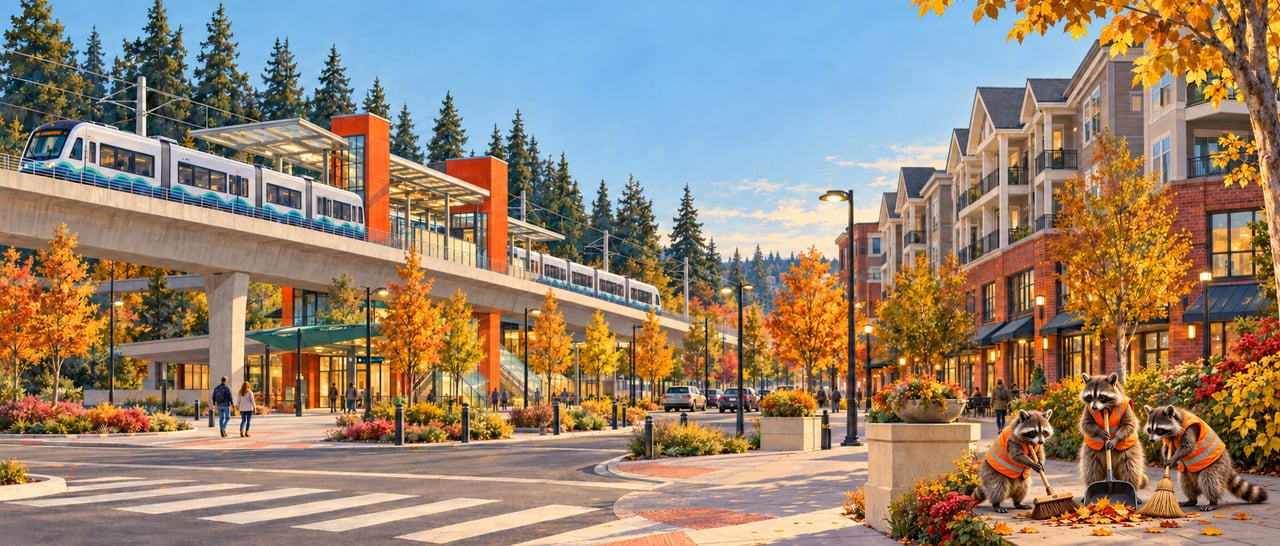
Light rail is not just about the train itself. It is also about what tends to grow around a major transit hub. In Lynnwood, the City Center plan points to more housing, public space, and more pedestrian-friendly development over time.
According to the City of Lynnwood, the current pipeline includes more than 500 multifamily units under construction, 1,400 entitled units, more than 500,000 square feet of office space, and 200,000 square feet of retail planned. The city also says its MFTE program is designed to encourage apartments and condos in the City Center subarea.
For you as a buyer, that means station-area value may be shaped by both current conditions and future development. What you see today may look different in a few years as more homes, businesses, and public spaces come online.
A Transit Hub, Not Just a Station
Lynnwood City Center is functioning as a broader transit hub, not only a train stop. Sound Transit says it opened a 1,670-space garage there, and the station area has nearly 1,900 parking stalls.
Community Transit also provides direct bus service to Lynnwood City Center and the other new Link stations. That bus-and-rail connection can expand the number of homes that feel practical for buyers who do not need to be within a short walk of the station itself.
What the Housing Numbers Suggest
Lynnwood remains competitive, but it is not the highest-priced market in Snohomish County. In May 2026, Redfin showed Lynnwood with a median sale price of $739,557, a median of 10 days on market, and a 99.3% sale-to-list ratio. Snohomish County overall was at $757,677 with 12 days on market.
That comparison suggests Lynnwood is active and competitive, while still sitting near the middle of the county’s price range rather than at the very top. For buyers, that can make Lynnwood appealing if you want access to regional transit without necessarily paying the highest prices in the county.
Nearby Cities Show the Tradeoffs
Looking at nearby markets can help you frame your options. Here is a snapshot from the research report:
| Area | Median Sale Price | Days on Market |
|---|---|---|
| Lynnwood | $739,557 | 10 |
| Mountlake Terrace | $635,000 | 5 |
| Everett | $579,653 | 7 |
| Edmonds | $1,049,372 | 7 |
| Mukilteo | $949,432 | 7 |
These numbers highlight an important point. Buyers are often weighing access, price, and housing type at the same time. Lynnwood may appeal to you if you want a balance between regional connectivity and pricing that is not at the top of the local range.
Not Every Part of Lynnwood Moves the Same Way
One of the biggest mistakes buyers can make is treating Lynnwood like a single, uniform market. In reality, micro-location matters. Housing type matters too.
Redfin neighborhood pages in the research report show Downtown Lynnwood at a $370,000 median sale price and North Lynnwood at $692,000. That gap is a reminder that station-adjacent or condo-heavy areas can behave very differently from detached-home neighborhoods.
Block-by-Block Differences Matter
The citywide story only tells you so much. The research report notes Lynnwood’s citywide Walk Score is 54, which means the city overall is only somewhat walkable. The station area may feel very different from other parts of Lynnwood.
If light rail is part of your plan, it helps to compare homes at the block level. A listing that looks similar on paper can offer a very different day-to-day experience depending on access to sidewalks, feeder buses, parking, and the station area itself.
How Light Rail May Change Your Home Search
If you started your search focused only on detached homes, light rail may expand what you are willing to consider. A condo or townhome near Lynnwood City Center might deserve a second look if lower maintenance and easier transit access fit your goals.
That does not mean one option is better for everyone. It means your search criteria may need to reflect how you actually want to live, commute, and spend your time.
Questions to Ask Yourself
Before you decide how much transit access matters, ask yourself:
- How many days a week would you realistically use light rail?
- Is commute predictability more important than extra square footage?
- Would you trade a larger lot for easier regional access?
- Do you want a home near a growing mixed-use area?
- Are you comparing condos, townhomes, and single-family homes on equal footing?
These questions can help you focus on lifestyle fit instead of chasing broad market headlines.
What to Verify Before You Buy
Lynnwood’s transit story is strong, but it is still evolving. Service frequencies, parking rules, and project timelines can change over time. The City Center pipeline numbers are also planning-stage counts, not finished inventory.
That is why it is smart to verify current train schedules, bus service details, and active listing data before making a decision. A home that looks ideal based on a general map view may feel different once you test the actual route and timing.
A Smart Buyer Approach
As you narrow your options, consider these steps:
- Test the trip from the home to Lynnwood City Center
- Review current listing data by neighborhood and property type
- Compare condo, townhome, and single-family pricing separately
- Look at both present conditions and likely future area changes
- Evaluate whether station access will matter for your daily routine
The Bottom Line for Lynnwood Buyers
Lynnwood’s light rail is shaping homebuyer decisions because it adds a new kind of value: predictable regional access. It is also influencing what buyers compare, from housing type to commute tradeoffs to future growth near Lynnwood City Center.
The biggest takeaway is simple. Light rail is not raising every property in the same way or changing every part of Lynnwood equally. But it is clearly affecting how buyers think, what they prioritize, and which parts of the market they are willing to explore.
If you want help comparing neighborhoods, property types, and commute tradeoffs in Lynnwood and the North Sound, Team NSRG can help you make a confident plan.
FAQs
How does Lynnwood light rail affect homebuyer decisions?
- Lynnwood light rail can influence your decision by making commute times more predictable, expanding access to Seattle destinations, and increasing interest in homes near Lynnwood City Center and connected bus routes.
What are Lynnwood light rail travel times to Seattle destinations?
- Sound Transit publishes benchmark ride times of about 20 minutes from Lynnwood City Center to the University of Washington, 27 minutes to downtown Seattle, and 60 minutes to Sea-Tac Airport.
Are homes near Lynnwood City Center more expensive?
- Not always. The research report shows that different parts of Lynnwood can have very different price points, and station-adjacent or condo-heavy areas may behave differently from detached-home neighborhoods.
Is Lynnwood City Center still developing?
- Yes. The City of Lynnwood says the area has multifamily housing under construction, additional entitled units, planned office and retail space, and a broader vision for more pedestrian-friendly mixed-use growth.
Should you buy near the Lynnwood light rail station?
- That depends on your priorities. If commute predictability, regional access, and a more transit-oriented lifestyle matter to you, homes near the station or along feeder bus routes may be worth a closer look.