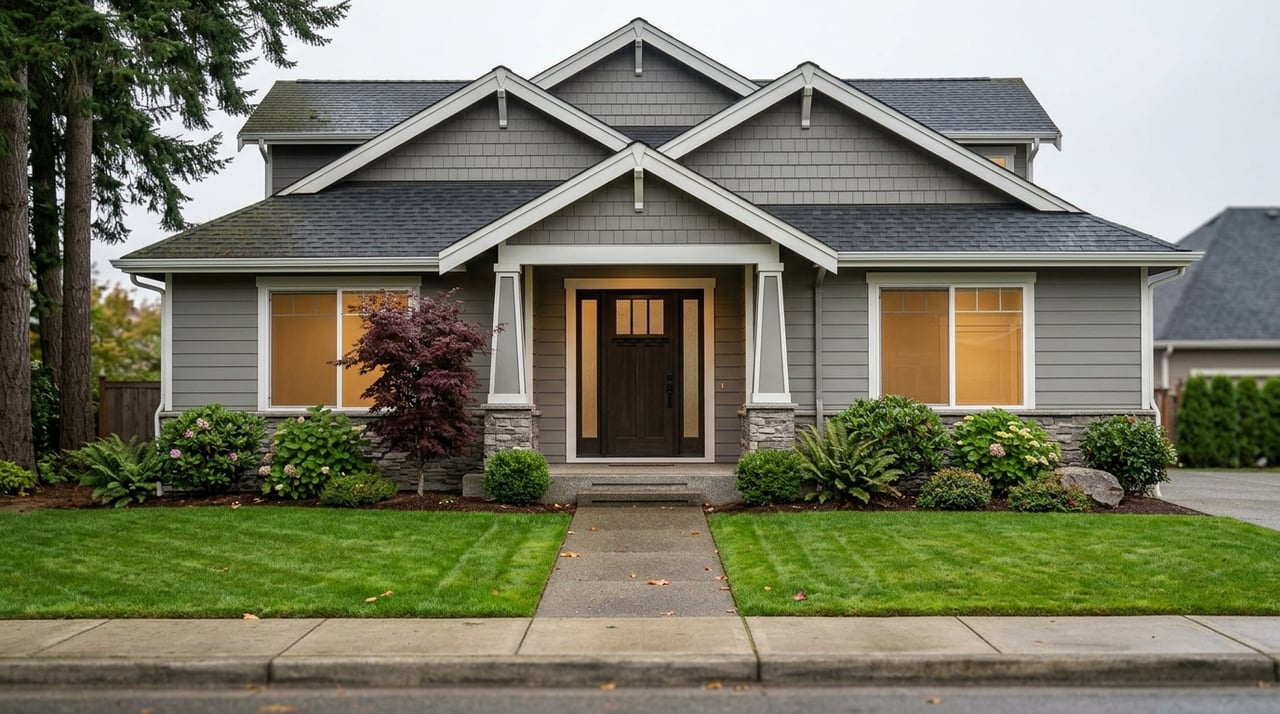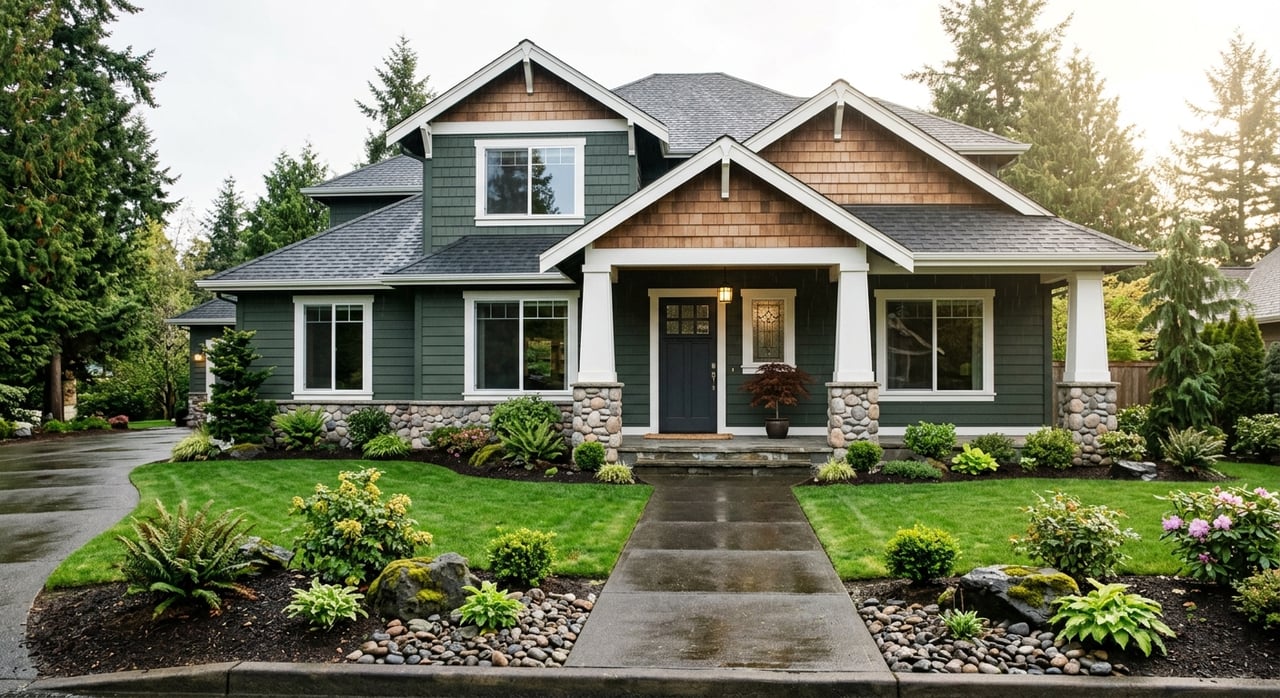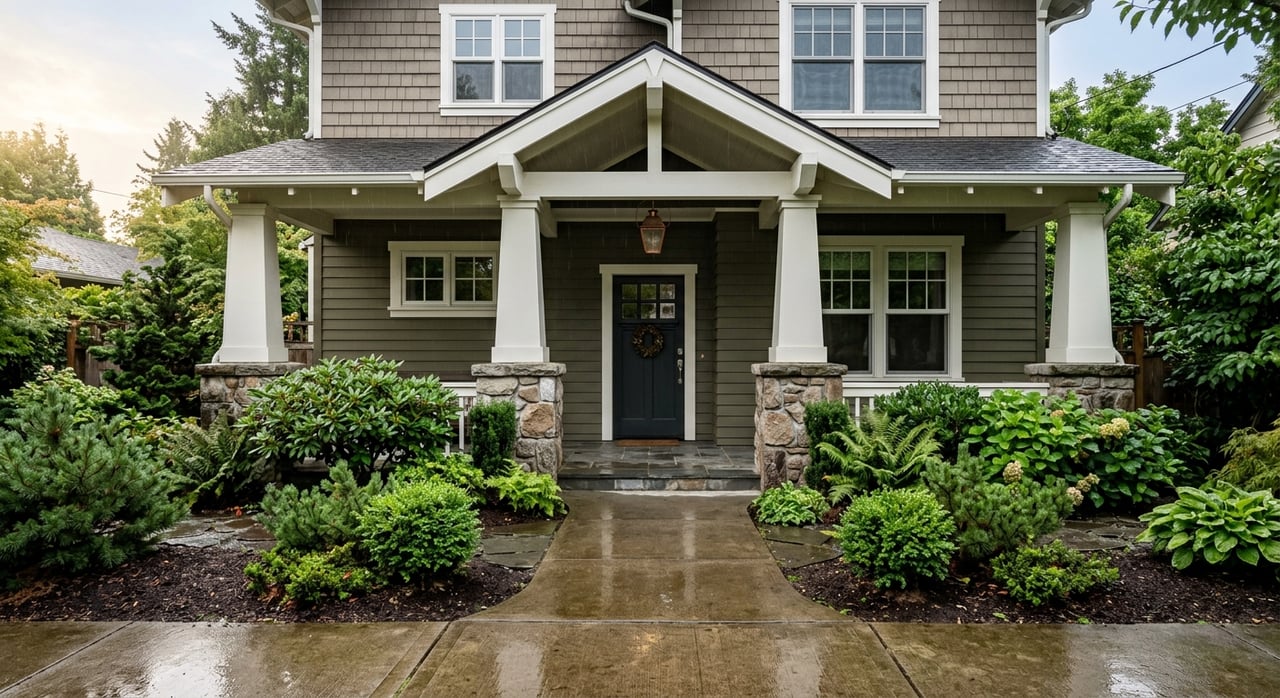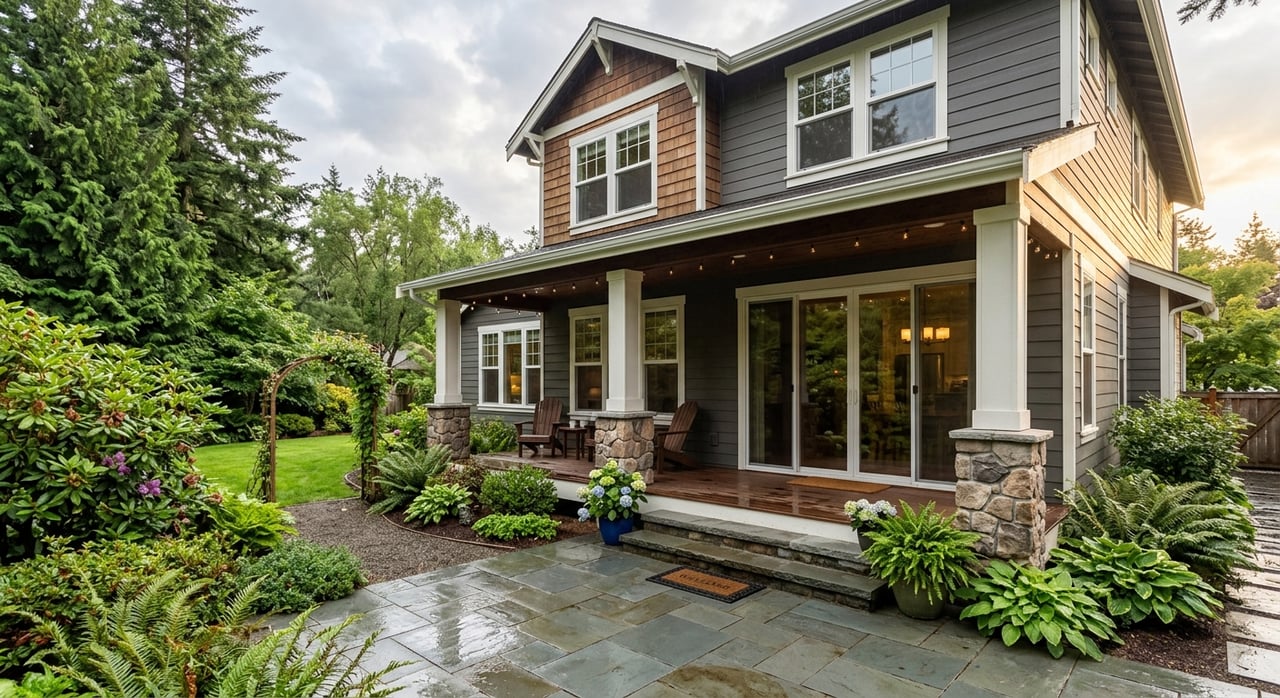
Buying your first home near North Seattle can feel exciting one minute and overwhelming the next. If you are looking in Mountlake Terrace or nearby Snohomish County suburbs, you are probably trying to balance budget, commute, loan options, and timing all at once. The good news is that the process becomes much more manageable when you break it into clear steps. This guide walks you through what to expect in 98043, from getting financially ready to closing day. Let’s dive in.
Why 98043 Appeals to First-Time Buyers
Mountlake Terrace sits in south Snohomish County, about 14 miles north of downtown Seattle along the I-5 corridor. According to the City of Mountlake Terrace, the area offers regional transit connections to Seattle, the University of Washington, and Everett through the Mountlake Terrace Transit Center and Freeway Station, and a new light rail line opened in 2024.
For many first-time buyers, that location creates a practical middle ground. You can focus your search in a North Seattle suburb while keeping regional commute options in mind.
Step 1: Set Your Budget First
Before you tour homes, take a close look at your full monthly budget. The Consumer Financial Protection Bureau says homeownership costs can include principal and interest, mortgage insurance, property taxes, homeowner’s insurance, HOA dues, maintenance, and utilities.
That is important because affordability is about more than the mortgage payment. A home that looks manageable on paper can feel very different once you add insurance, taxes, upkeep, and any community dues.
A few early budget questions can help you stay grounded:
- How much do you have saved for a down payment?
- How much do you want to keep in reserves after closing?
- What monthly payment feels comfortable, not just possible?
- Are there debts or credit issues you should address first?
Step 2: Understand Down Payment and Closing Costs
A lot of first-time buyers focus only on the down payment. That makes sense, but it is only one part of the cash you may need.
The CFPB explains that closing costs typically range from 2% to 5% of the purchase price. Those costs can be separate from your down payment, and they may include lender fees, appraisal fees, title charges, taxes, and other transaction-related expenses.
Your loan type also affects how much cash you need upfront. The CFPB notes that common options for first-time buyers include FHA, VA, USDA, and conventional low-down-payment loans. If your down payment is under 20%, mortgage insurance is often part of the monthly payment.
Step 3: Explore Washington Buyer Assistance
If saving for upfront costs feels like the biggest hurdle, Washington has programs worth reviewing. The Washington State Housing Finance Commission offers homeownership programs that may help with down payment and closing costs.
Two programs often mentioned are Home Advantage and House Key. Based on current Commission materials, Home Advantage is available to both first-time and repeat buyers, while House Key generally requires first-time buyer status, income limits, acquisition-cost limits, and completion of Commission-sponsored homebuyer education.
It is also important to understand how assistance is structured. Some down payment assistance programs may work as second mortgages and must be paired with a Commission first mortgage, so the funds are not always the same as a grant.
Step 4: Take Homebuyer Education Seriously
Homebuyer education is not just a box to check. It can help you understand loan options, budgeting, closing costs, and what happens after your offer is accepted.
The WSHFC says Home Advantage borrowers must attend a Commission-sponsored homebuyer education seminar. If a borrower cannot attend a virtual or in-person class under program procedures, a self-guided online class may be allowed.
For first-time buyers in 98043, this step can be especially helpful because it gives you a better framework before you start making fast decisions in a competitive market.
Step 5: Get Preapproved Early
Once your finances are in better shape, the next step is preapproval. A preapproval letter shows a seller that a lender has done an initial review of your finances.
The CFPB explains that a preapproval letter is a tentative lender statement, not a guaranteed loan offer. Lenders usually check your credit before issuing one, sellers often expect it, and many letters expire within 30 to 60 days.
Getting preapproved early can help you in two ways:
- You learn your likely price range before house hunting
- You have time to fix credit, income, or documentation issues if they come up
One of the biggest mistakes first-time buyers make is treating preapproval like final approval. It is a strong early step, but it is still preliminary.
Step 6: Compare Loan Estimates
You do not have to stick with the first lender you talk to. In fact, shopping around is a smart part of the process.
The CFPB says you should compare Loan Estimates from more than one lender. After you apply, the Loan Estimate should arrive within three business days, and getting preapproved does not lock you into using that lender.
This is where small differences can matter. Interest rate, lender fees, mortgage insurance, and credits can all affect your total cost.
Step 7: Start House Hunting With a Clear Plan
Once you know your budget and financing path, you can begin touring homes with more confidence. In 98043 and nearby North Seattle suburbs, that often means balancing home features with practical factors like commute routes, property condition, and monthly carrying costs.
As you compare homes, keep your non-negotiables separate from your nice-to-haves. That makes it easier to move quickly without losing sight of what matters most to you.
Step 8: Write an Offer With Key Protections
When you find the right home, your offer is more than just a price. It also includes terms that can protect you if something goes wrong.
The CFPB recommends making your offer contingent on obtaining financing. This is called a financing contingency, and it can protect you if your mortgage does not come through.
Another major protection is the inspection contingency. The CFPB says that if your contract is contingent on a satisfactory inspection, you may be able to negotiate or cancel without penalty if serious problems are uncovered.
You may also hear about earnest money, which the CFPB defines as a good-faith deposit held by the seller or a third party. If the sale closes, it may be applied to your closing costs or down payment. If the deal ends for a reason allowed under the contract, it is generally returned to you.
In a competitive market, some buyers feel pressure to waive contingencies. That can increase risk, especially for a first purchase.
Step 9: Schedule the Inspection Quickly
After your offer is accepted, timing matters. The home inspection should happen as soon as possible.
According to the CFPB, a home inspection is different from an appraisal. The inspection is for your protection and helps identify issues with the property. If serious flaws show up, you may be able to negotiate repairs, request a seller credit, or cancel the contract if your agreement allows it.
A seller credit can sometimes be used instead of having the seller complete a repair before closing. The CFPB notes this can come up in the final days before closing and may help cover repairs or closing costs depending on the agreement.
Step 10: Understand the Appraisal
Your lender will usually require an appraisal. This is not the same thing as an inspection.
The CFPB explains that an appraisal is an independent opinion of value, not a condition report. Lenders generally require it and must send you a copy promptly after it is completed.
If the appraisal comes in below the agreed purchase price, you may be able to renegotiate the price. Depending on your contract terms, you may also have the option to walk away.
Step 11: Review Escrow, Title, and HOA Costs
As you move closer to closing, a few terms become especially important. Escrow can refer to an account used to set aside money for property taxes and homeowner’s insurance. Title insurance also matters because lender’s title insurance protects the lender, while owner’s title insurance protects you against earlier title claims.
If you are buying a condo or a home in a planned community, ask early about HOA dues. The CFPB notes these fees are usually separate from the mortgage payment, so they need to be part of your monthly budget.
Step 12: Read the Closing Disclosure Carefully
Closing is the last major step, but it is not a time to go on autopilot. You will review several documents and deadlines before you sign.
The CFPB says the Closing Disclosure must arrive at least three business days before closing. You should compare it closely to your Loan Estimate and review your promissory note, mortgage or deed of trust, and deed.
This is also the stage where buyers need to stay alert for fraud. The CFPB warns buyers to review documents carefully and be cautious with any last-minute wiring instruction changes related to closing.
Step 13: Know Washington-Specific Closing Details
Washington has one extra item first-time buyers should understand: real estate excise tax. According to the research provided, this tax applies to real property sales unless an exemption applies, and it is due to the county treasurer on the date of sale.
Usually the seller pays this tax. If the seller does not, the buyer becomes responsible, which is one more reason to read your final paperwork closely and understand how costs are allocated in the contract.
Common First-Time Buyer Mistakes to Avoid
A smoother purchase usually comes down to avoiding a few common errors. Here are some of the biggest ones to watch for:
- Treating preapproval like final loan approval
- Forgetting to budget for taxes, insurance, HOA dues, maintenance, and utilities
- Waiving financing or inspection contingencies too quickly
- Confusing the inspection with the appraisal
- Skimming the Closing Disclosure instead of reviewing it line by line
- Sending wired funds without verifying instructions carefully
A Simple First-Time Buyer Checklist
If you want the process in one quick snapshot, here is the order to keep in mind:
- Review your budget, savings, debts, and credit
- Estimate your down payment and closing costs
- Explore Washington homebuyer assistance options
- Complete any required homebuyer education
- Get preapproved
- Compare Loan Estimates from multiple lenders
- Tour homes with a clear budget and priorities
- Write an offer with appropriate protections
- Schedule the inspection right away
- Complete the appraisal and respond if value comes in low
- Review title, escrow, and any HOA costs
- Compare your Closing Disclosure to your Loan Estimate
- Close and get your keys
Buying your first home near North Seattle is a big milestone, but you do not have to figure it out alone. With the right plan, the right education, and the right support, the process becomes much clearer from start to finish. If you are thinking about buying in Mountlake Terrace, 98043, or nearby North Sound suburbs, Team NSRG can help you understand your options and take the next step with confidence.
FAQs
What should first-time home buyers in 98043 budget for besides the mortgage?
- In addition to principal and interest, you should budget for mortgage insurance if applicable, property taxes, homeowner’s insurance, HOA dues if applicable, maintenance, utilities, and closing costs that often run about 2% to 5% of the purchase price.
What does mortgage preapproval mean for a first-time buyer near North Seattle?
- Preapproval is a tentative lender statement based on an early review of your finances and credit, but it is not a guaranteed final loan approval.
What Washington homebuyer assistance programs may help first-time buyers?
- Washington State Housing Finance Commission programs such as Home Advantage and House Key may help with down payment and closing costs, though eligibility rules and repayment structure can vary.
What is the difference between a home inspection and an appraisal in Washington home buying?
- A home inspection looks at the property’s condition for your benefit, while an appraisal is an independent opinion of value that your lender typically requires.
What should buyers review before closing on a home in Snohomish County?
- You should review the Closing Disclosure, compare it to your Loan Estimate, understand your final closing costs, confirm any title and escrow details, and verify wiring instructions carefully before sending funds.