Trying to decide between a condo and a house in Redmond? You are not alone. In a market where home types, price points, and daily lifestyle can vary a lot from one area to the next, the right choice often comes down to how you want to live now and what you want your budget to support over time. This guide will help you compare Redmond condos and houses in practical terms so you can move forward with more confidence. Let’s dive in.
Why this choice matters in Redmond
In Redmond, choosing between a condo and a house is not a small detail. The city’s housing stock includes a large mix of apartments, condos, and single-family detached homes, so this is one of the most common decisions buyers face here.
That matters even more because Redmond remains a very competitive market. As of March 2026, the median sale price across the city was $1,395,000, homes received 2 offers on average, and they sold in about 13 days. If you are weighing both property types, it helps to compare them through the lens of price, location, monthly cost, and long-term fit.
Redmond condo vs house prices
For many buyers, the first big difference is the entry price. Current Redmond condo data shows 103 condos for sale with a median listing price of $595,000, and condos average 39 days on market.
Detached homes sit much higher on the pricing ladder. As a proxy for single-family inventory, Redmond single-story listings show 56 homes with a median listing price around $1.3 million. That gap is one reason condos often appeal to first-time buyers, buyers relocating to the area, and households trying to stay flexible with monthly costs.
What the price gap really means
A lower purchase price can make condo ownership feel more accessible. You may be able to buy sooner, keep more cash available for reserves, or stay in a location that would be harder to reach with a detached home budget.
At the same time, the sticker price is only part of the story. In Redmond, ownership affordability can include mortgage, insurance, and homeowner association dues, so your true monthly cost may not line up neatly with the sale price.
Monthly costs are not always lower with a condo
This is where many buyers need a closer look. Redmond condo listings show HOA dues can vary widely, with examples around $190, $431, and $760 per month, and some units carrying monthly dues above $2,200.
That range matters. A condo with a lower purchase price but high HOA dues may end up costing more per month than you expected, especially when combined with mortgage, taxes, and insurance. On the other hand, a house may come with a higher mortgage payment but fewer shared monthly fees.
Compare total ownership cost
When you compare a condo and a house in Redmond, look beyond the list price and review the full monthly picture:
- Mortgage payment
- Property taxes
- Insurance
- HOA dues, if any
- Planned maintenance and repair costs
- Utility differences tied to the property type
This side-by-side view usually makes the decision clearer. It helps you choose based on your real comfort zone, not just the asking price.
Lifestyle differences in Redmond
Your daily routine should play a big role in this decision. In Redmond, condos and houses often serve very different lifestyles depending on where they are located.
Downtown Redmond is the clearest condo-oriented area. The city describes Downtown as a regional growth center and urban center with shopping, dining, services, events, employment, parks, mixed-use residences, wide sidewalks, an urban trail, and frequent bus service. Sound Transit also reports that the 2 Line extension to Downtown Redmond opened on May 10, 2025.
When a condo may be the better fit
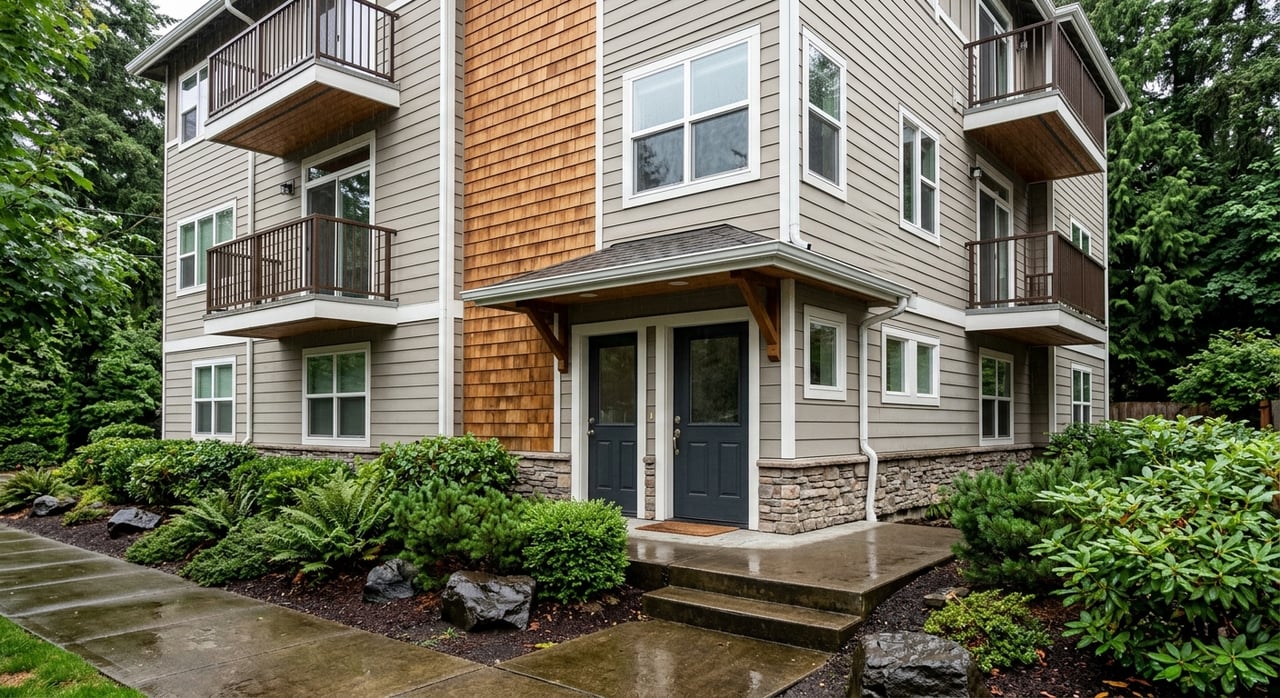
A condo may make more sense if you want:
- A lower entry price than many detached homes
- Easier access to Downtown amenities
- Proximity to frequent bus service and light rail access
- Less exterior maintenance responsibility
- A more lock-and-leave setup for travel or busy work schedules
For many buyers, that convenience is the biggest advantage. In the right building and location, condo living can line up well with a commute-focused or low-maintenance lifestyle.
When a house may be the better fit
A detached home may make more sense if you want:
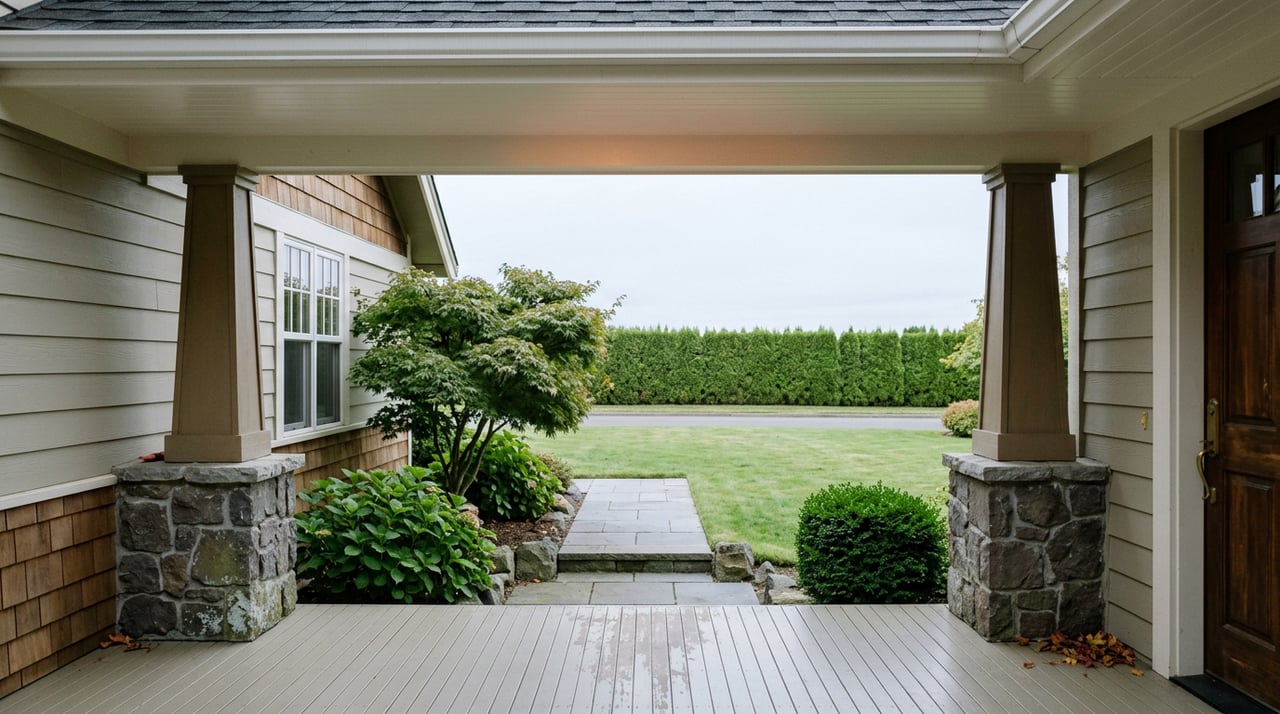
- More interior space
- More privacy from neighbors
- A yard or more outdoor room
- A more traditional residential setting
- More separation from shared building rules and dues
In Redmond, established residential areas often align better with that preference. The city describes Education Hill as centrally located with mature neighborhood character, while Bear Creek includes a mix of detached single-family homes along with other housing types.
Location changes the equation
One of the biggest mistakes buyers make is treating all of Redmond the same. The city overall has a Walk Score of 33, which means your exact location can shape your day-to-day experience far more than the property type alone.
A condo in or near Downtown Redmond may offer easier access to retail, services, transit, and an urban-style setting. A house farther from Downtown may offer more space and a different neighborhood feel, but your errands and commute may depend more heavily on driving.
Downtown Redmond and condo demand
Downtown Redmond has added even more housing focus in recent planning. In 2025, zoning was simplified to concentrate more capacity near light rail, and parts of the Downtown area allow low- and mid-rise residential and mixed-use development, with some station-area sites reaching up to 12 stories with incentives.
That does not mean every buyer should choose a condo. It does mean Downtown is likely to remain one of the strongest places in Redmond to compare condo options if transit access and nearby amenities matter to you.
Condo due diligence matters in Washington
If you are considering a condo in Redmond, due diligence is especially important. Washington condo resale law requires a seller to provide a resale certificate with detailed information about the association and the unit.
That certificate can include current and delinquent assessments, special assessments, other fees, anticipated large repairs, reserve-study status, financial statements, budgets, judgments, insurance, litigation, and rental restrictions. If the association does not have a current reserve study, the certificate must warn buyers that insufficient reserves can lead to special assessments.
Why reserve studies matter
Washington law also requires associations to prepare and update reserve studies annually, with at least every-third-year updates prepared by a reserve-study professional unless an exemption applies. For you as a buyer, that means reserve funding is not just a technical detail. It is a clue about how the building plans for major future expenses.
A condo with solid reserves and clear documents may feel much more predictable than one with financial gaps or upcoming repair questions. This is one of the biggest differences between buying a condo and buying a detached home.
Resale potential: what buyers should watch
Redmond homes move fast overall, but resale strength is not just about whether a property is a condo or a house. Marketability depends on price, condition, location, and how buyers perceive the ownership experience.
For condos, association health can play a major role. Because buyers review resale documents closely, buildings with stronger reserves, fewer red flags, and reasonable rules may be easier to market than condos with weak finances, unresolved issues, or restrictive policies.
Houses have different tradeoffs
Detached homes do not come with condo association document review in the same way, but they can bring larger direct maintenance responsibilities. Roofs, siding, landscaping, and exterior repairs may be entirely yours to plan and fund.
That is why the better choice is rarely universal. A house may offer more control, while a condo may offer more convenience. The right fit depends on how you want to balance space, upkeep, and predictability.
How to choose the right fit
If you are still deciding, start with your real priorities instead of the ideal version of homeownership. Think about how you live during the week, how long you expect to stay, and what kind of monthly payment feels comfortable.
A few helpful questions to ask yourself include:
- Do you want the lowest possible entry price in Redmond?
- Do you value being closer to Downtown, transit, and services?
- Do you want more privacy and outdoor space?
- Are you comfortable reviewing HOA finances and rules?
- Would you rather pay dues for shared maintenance or manage repairs yourself?
- How important is resale flexibility in the next 3 to 7 years?
In Redmond, there is no one-size-fits-all answer. A condo can be a smart way to buy into the market and stay close to Downtown activity. A house can be the better fit if you want more room, more separation, and a different ownership structure.
The best next step is to compare actual options side by side with a local strategy, not just browse by price alone. If you want help weighing condos against houses in Redmond, Team NSRG can help you evaluate monthly cost, location tradeoffs, resale factors, and the day-to-day lifestyle each option supports.
FAQs
What is the main price difference between condos and houses in Redmond?
- Current Redmond condo listings show a median listing price of $595,000, while detached-home pricing is much higher, with single-story home listings around a $1.3 million median asking point.
Are condos in Redmond always cheaper to own each month than houses?
- No. Condo HOA dues in Redmond vary widely, so a lower purchase price does not always mean a lower monthly cost once dues, taxes, insurance, and mortgage are added together.
Which part of Redmond is best for condo buyers who want transit access?
- Downtown Redmond is the strongest condo-oriented area for buyers who want walkable amenities, frequent bus service, and access to the 2 Line.
What should condo buyers review before buying in Redmond, Washington?
- Condo buyers should carefully review the resale certificate, including assessments, special assessments, reserve-study status, financial statements, insurance, litigation, and any rental restrictions.
Are houses more common than condos in all Redmond neighborhoods?
- No. Housing type varies by area. Downtown Redmond is more condo-oriented, while established residential areas such as Education Hill and parts of Bear Creek include more detached homes.
Is a condo or house better for resale in Redmond?
- Either can resell well, but condos often face extra buyer scrutiny around association finances, reserves, and rules, while houses tend to be judged more on price, condition, and location.