Want to leave the car at home more often? In Bothell, you can. With a true Main Street, a university district, and a regional trail junction on the river, you get everyday errands, fresh coffee, and recreation within an easy stroll or bike ride. If you are exploring where to live, you likely want clear guidance on which areas feel most walkable, how transit works, and what to check on your tours. This guide gives you neighborhood snapshots, trail and commute tips, and a simple buyer checklist so you can find the right fit faster. Let’s dive in.
Why walkability works in Bothell
Bothell sits northeast of Seattle and northwest of Bellevue with a mix of downtown, campus life, and residential pockets. The city spans King and Snohomish counties, which can influence services and property taxes. Many buyers appreciate the compact downtown, the university area, and access to the Burke‑Gilman and Sammamish River trails. These paved multi‑use paths connect to larger regional routes, which helps you walk or bike for fun and for errands.
Neighborhood snapshots: where you can walk daily
Downtown Bothell: Main Street and Bothell Landing
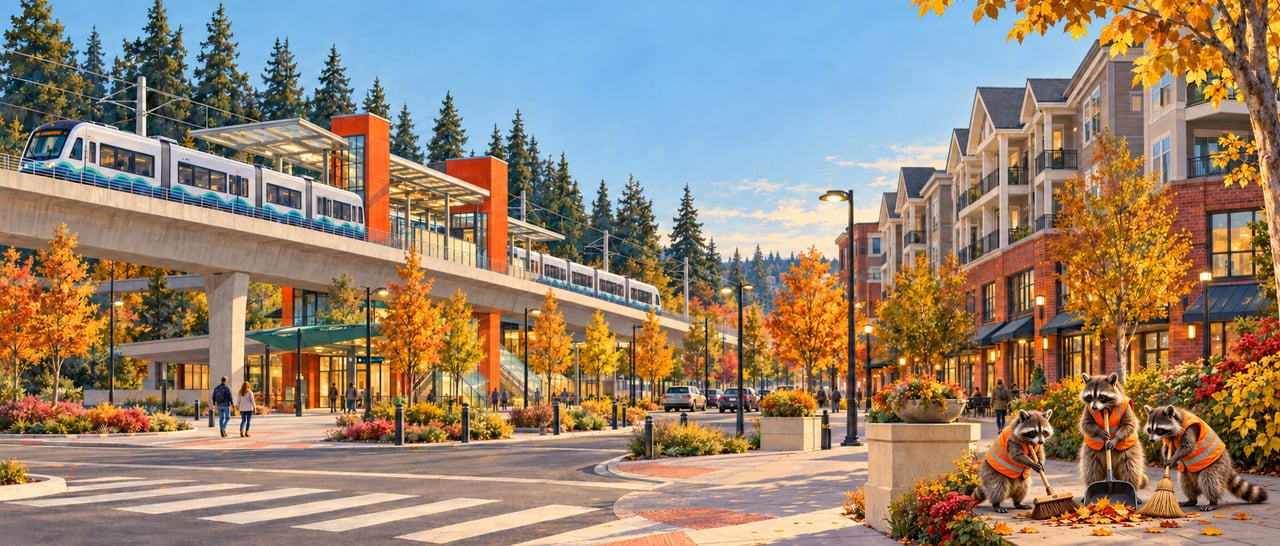
If walkability is your top priority, start here. Main Street is home to cafés, casual dining, and small retail, with sidewalks and frequent crosswalks that make it easy to move around. The riverfront is a highlight, and you can unwind at Bothell Landing Park after a morning coffee. Downtown also borders the junction of the Burke‑Gilman Trail and the Sammamish River Trail, which lets you bike toward Seattle or east to Redmond without mixing with traffic.
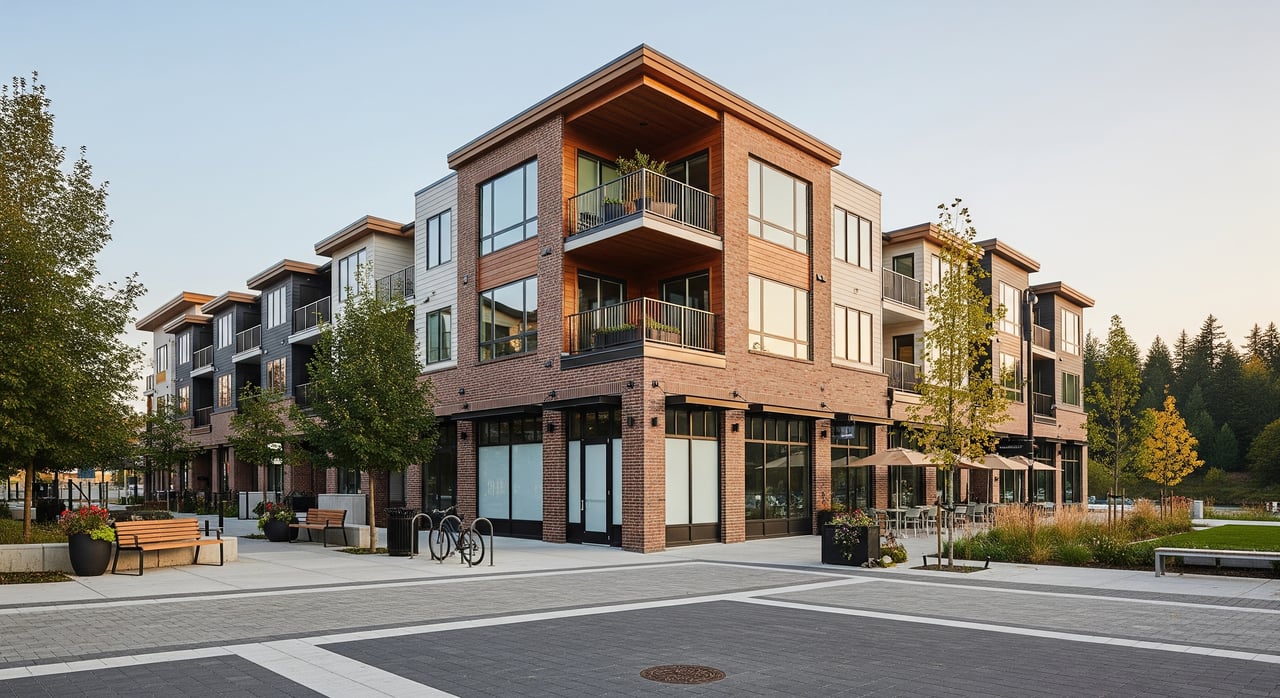
Housing in and around downtown ranges from older single‑family homes to newer condos and townhomes. You can often walk to daily needs and reach transit stops within a few blocks. During popular events and dining hours, expect more foot traffic and tighter parking. Many buyers choose streets a block or two off Main Street for a quieter feel while staying close to the action.
UW Bothell and North Creek
The university area creates steady pedestrian activity, with student‑friendly cafés and services around campus. Neighborhoods near UW Bothell are walkable to open spaces and the North Creek corridor, and you can bike to downtown via connecting routes. The mix of housing includes apartments, student‑oriented rentals, newer townhomes, and single‑family homes within a short ride to campus. If campus life appeals to you, explore the UW Bothell resources for events and community offerings.
Country Village and North Bothell
Country Village and nearby centers offer a compact cluster of restaurants, boutiques, and everyday services. Inside the core, it feels like a small village with easy on‑foot errands. Surrounding streets become more auto‑oriented, so your experience will vary block by block. Buyers often aim for homes that place them within a quick stroll to dining, with a short bike or bus ride to downtown.
Canyon Park and Bothell Business Park
Canyon Park is a major employment and commercial district with convenient access to I‑405. Some pockets near retail nodes offer short walks to lunch spots, gyms, and services. Other parts are more car‑oriented with longer blocks and larger roads. If you work nearby, living close can mean a very short commute, and newer multifamily developments are adding more walkable options near services.
South and West Bothell residential pockets
These areas are primarily residential with a variety of sidewalks, local parks, and cul‑de‑sacs. Walkability depends on your exact street and its distance to a commercial node. Many buyers target homes just south or west of downtown for a calm residential feel with a short walk or bike ride to Main Street. Expect a mix of older craftsman, mid‑century homes, and newer infill.
Trails that shape daily life
Bothell’s best walkability advantage is the regional trail system. The Burke‑Gilman and Sammamish River trails are paved multi‑use paths used for walking, running, family biking, and commuting. From downtown, you can ride east along the Sammamish River corridor toward Redmond and Marymoor Park, or connect west on the Burke‑Gilman toward Seattle. Daily errands are easy too, since many local destinations sit near the riverfront and trail junction.
You will find main access at Bothell Landing and additional trailheads and bridges along the river. Year‑round use is common. In rainy months, plan for wet surfaces and lower‑light conditions, and bring lights if you ride early or late.
Transit, driving, and commute options
Local bus service in Bothell comes from King County Metro and Community Transit. For up‑to‑date routes and schedules, use the King County Metro trip planner and the Community Transit trip planner. Many residents use express commuter routes to reach regional job centers during peak hours.
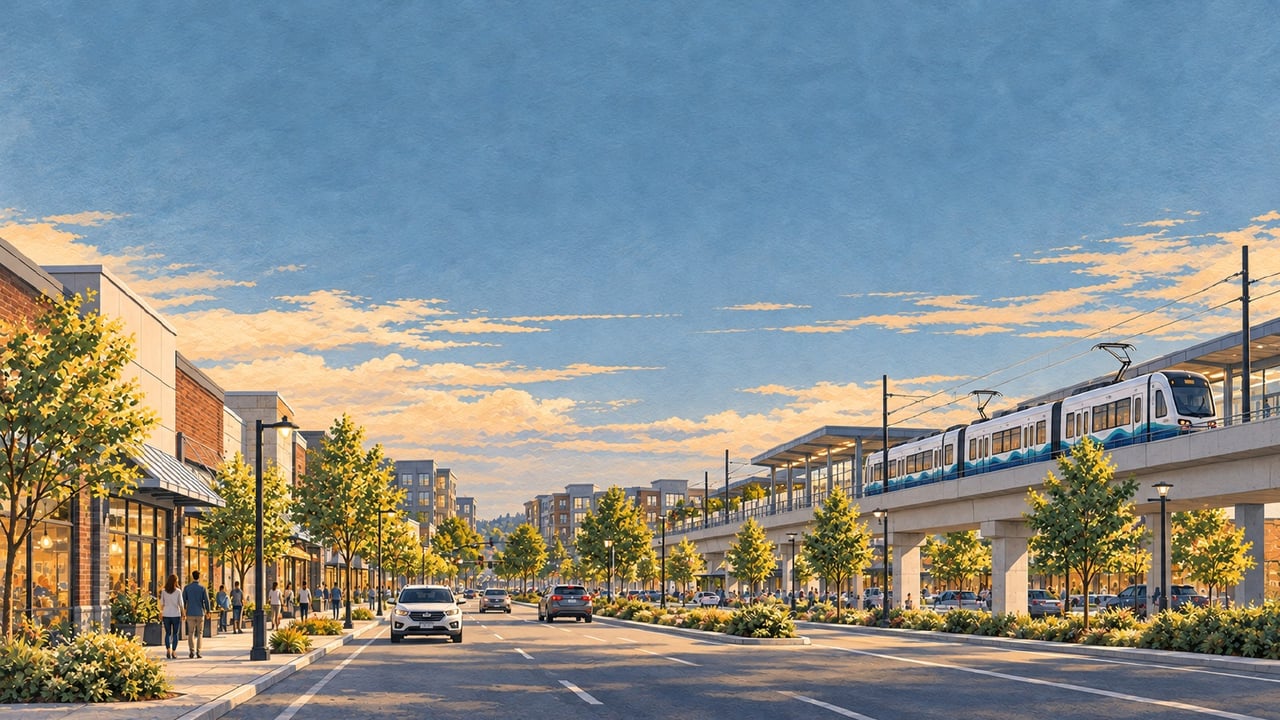
As of the mid‑2020s, there is no Link light rail station inside Bothell. The nearest stations are to the north in the Lynnwood and Northgate area, which you can reach by connecting bus or by car. For long‑term project maps and updates, see Sound Transit’s system expansion resources. Driving remains common, with I‑405 and SR‑522 providing regional access. Travel times vary by time of day, and HOV or priority lanes can help express buses move more predictably during rush hour.
Everyday conveniences you can walk to
- Food and coffee: Downtown Main Street offers a rotating mix of cafés, bistros, and casual dining. Country Village adds more choices, plus services for quick errands.
- Groceries and services: You will find full‑service supermarkets and local markets around major corridors, with pharmacies and personal services near downtown and Canyon Park.
- Parks and recreation: Bothell Landing anchors the riverfront. The North Creek area provides trails and open space near campus. Local gyms and yoga studios are spread across the city, and county parks expand your options nearby.
- Civic and culture: The library, seasonal farmers markets, and public events add to community life. University events and public lectures can be a draw for residents who want arts and culture close to home.
Buyer checklist for walkable Bothell
Use this quick checklist during tours to see how each area fits your daily routine.
- Sidewalks and crossings: Are there continuous sidewalks, marked crosswalks, and signals at busy intersections? How easy is it to cross the main streets you will use most?
- Short walks to essentials: Can you reach a café, small grocery, park, and transit stop within 10 to 15 minutes on foot? Try a test errand while you tour.
- Trail access: Where is the nearest connection to the trail network? Look for clear wayfinding, protected crossings, and secure bike parking.
- Street activity: Are storefronts active or vacant? Note daytime and evening activity, and whether the area stays lively after work hours.
- Night lighting: Check visibility on sidewalks and along your route to transit or the trail. Visit at dusk to gauge comfort.
- Noise and parking: If you plan to host guests or own a car, assess street parking availability and any posted restrictions.
- Condo and townhome rules: Review HOA budgets, maintenance, and rules if you are buying in a mixed‑use or condo building.
- Planned projects: Check city planning pages for upcoming infill or streetscape work that could affect your block’s walkability.
- Flood awareness: Properties close to the river can overlap with floodplain areas. Ask your broker for guidance and view county resources if needed.
County lines and due diligence
Bothell crosses King and Snohomish counties, which can impact taxes, permitting, and services by address. When you focus on a property, confirm its county and review the parcel information. For official data and assessments, use the King County Assessor and the Snohomish County Assessor. Your broker can also pull property records, recent comps, and neighborhood context to help you compare options.
How to choose your best fit
Start by mapping your daily life. If you want to run errands by foot and hop on the trail most days, downtown and the university‑adjacent area will feel the most seamless. If you value a short commute to Canyon Park employers, look for pockets near retail within that district. For a quieter street that is still close to cafés, consider homes one or two blocks off a village center.
Walk your top choices at different times, including a weekday evening and a weekend morning. Try a test commute using the trail or an express bus during peak hours. Look for small details, like bike parking and crosswalk signals, that make everyday life easier. If you want local guidance and a curated tour, reach out to Team NSRG for neighborhood‑by‑neighborhood insights and available homes that match your lifestyle.
FAQs
Which Bothell neighborhoods are most walkable?
- Downtown around Main Street and Bothell Landing is the most walkable, with the university‑adjacent area and Country Village offering additional compact, on‑foot options.
Can you bike commute from Bothell to Redmond or Seattle?
- Yes, many riders use the Sammamish River and Burke‑Gilman trails for predictable, low‑stress commutes toward Redmond and toward Seattle.
Does Bothell have Link light rail service today?
- Not yet; the nearest stations are north of the city, and you can connect by bus or drive to them while Sound Transit continues regional expansion.
Are groceries and clinics within walking distance in Bothell?
- In downtown and Country Village you can walk to many daily needs; in other areas you may rely on a short drive or bus trip for larger supermarkets and clinics.
Is parking tight in Bothell’s walkable areas?
- It varies; downtown and Country Village have public and street parking, which can be constrained during events or peak dining hours, so check local policies and on‑site options.